3D-Printed Clips for Training Climbing Cucumber & Tomato Vines
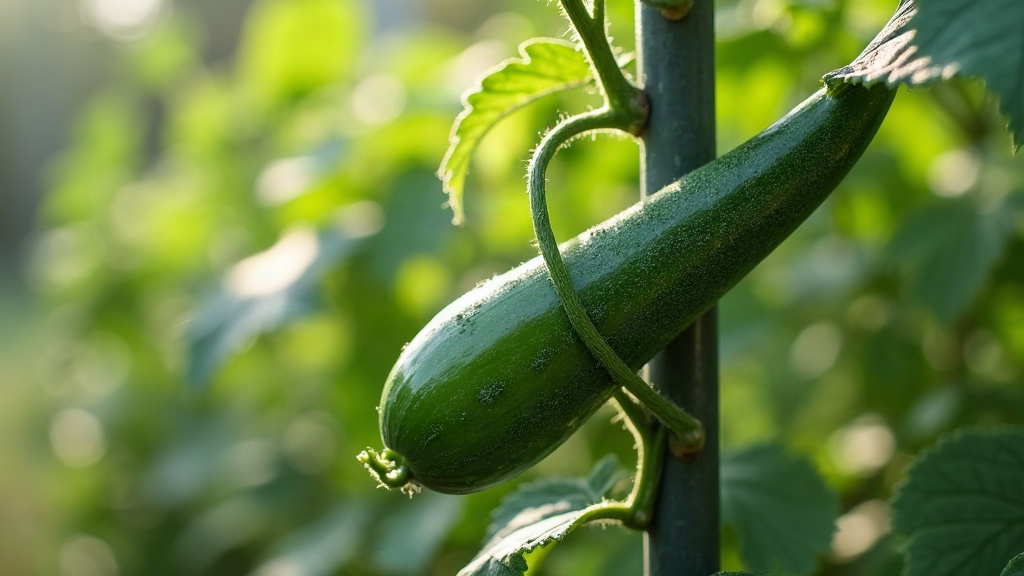
Training climbing cucumbers and tomatoes onto a trellis is one of the simplest ways to boost yields, cut down on disease, and get back some garden space. But here’s the part most people overlook: the clips you use to attach vines to stakes or strings matter more than almost anything else in the setup. 3D-printed clips have quietly become a favorite among home growers and small-scale farmers, and for good reason. They’re customizable, reusable, and far gentler on stems than wire ties or zip ties ever were. This guide walks through what they are, why they actually work, and how to design or buy the right ones for your own garden.
Why Standard Ties Fall Short
Twist ties, garden twine, metal clips, they all share the same flaw: they’re static. A cucumber or tomato stem doesn’t stay the same thickness all season, and a tie that fit perfectly in June can strangle the plant by August. Specifically, a tight tie can:
- Girdle the stem, cutting off nutrient flow
- Snap under wind load because it can’t flex
- Require constant retying as the plant grows (and who has time for that every week?)
3D-printed clips get around this with hinged or open-loop designs that expand slightly as the stem thickens, while still holding the vine firmly against a stake, string, or trellis wire.
How 3D-Printed Clips Work
Most designs fall into three categories:
1. Snap-fit stem clips
A C-shaped or hinged clip that snaps around both the vine and the support, whether that’s a bamboo stake, twine, or wire. The open gap flexes with growth instead of biting into the stem.
2. Clip-and-hook combos
These attach to a vertical string (common in greenhouse tomato training) and include a small hook, so you can re-clip the plant higher as it climbs without untying a single knot.
3. Tendril guides for cucumbers
Cucumbers climb with tendrils rather than twining stems, so some clips are shaped like small funnels or rings. Instead of gripping tightly, they gently steer new growth toward the trellis.
Why Gardeners Are Switching to Printed Clips
- Reusable for years. PETG or PLA+ clips can survive multiple seasons if you keep them out of direct UV between uses.
- Cheaper at scale. A single 1kg spool of filament can produce hundreds of clips, which works out far cheaper than buying commercial trellis clips in bulk.
- Fully customizable. Print clips sized exactly for pencil-thick tomato stems, or go bigger for squash and melon vines.
- Gentler on plants. Rounded, pressure-distributing contact points reduce bruising compared to sharp-edged metal clips.
Material Choices That Actually Matter
Outdoor use means constant UV and moisture exposure, so material choice isn’t a minor detail, it’s the difference between a clip that lasts one season and one that crumbles in July.
- PETG, the best all-around choice. UV-resistant, flexible enough to snap open and closed without cracking, and tough enough to hold up through a full growing season.
- PLA, cheap and easy to print, but it turns brittle fast in sun and heat. Fine for short-season indoor or greenhouse use, not much else.
- TPU, ideal for flexible “living hinge” style clips. It won’t crack even after hundreds of open-close cycles, which matters a lot if you’re repositioning clips weekly.
Designing or Choosing the Right Clip Size
- Tomatoes: early-season stems run thin, maybe 3-5mm, but main stems can thicken to 15-20mm by midsummer. Go with an adjustable or slightly oversized clip rather than something snug.
- Cucumbers: stems stay thinner overall, but tendrils need guiding more than clamping. A looser ring-style clip beats a tight-fitting one here.
- Spacing: for tomatoes, clip every 20-30cm (8-12 inches) of vertical growth. Cucumbers climb faster, so they often need guidance every 15-20cm.
Printing Tips for Durability
- Print with at least 3 perimeter walls for strength at the hinge point.
- Use 100% infill only for small clips. Larger clips can run 40-60% infill without losing structural strength.
- Orient the part so the hinge flexes along the layer lines, not across them. Print it the wrong way and it’ll snap the first time you open it.
- Lightly sand any sharp edges that touch the stem directly. Plants bruise easier than you’d think.
Where to Find Printable Clip Files
Free and paid STL files for cucumber and tomato trellis clips show up easily on 3D model repositories if you search terms like “plant stem clip,” “tomato vine clip,” or “trellis string clip.” Many of these files are parametric, which means you can scale the opening size right in your slicer before printing, matching the clip to your exact stem thickness instead of guessing.
Conclusion
3D-printed clips give home gardeners a cheap, reusable, plant-friendly alternative to wire ties and twine for trellising cucumbers and tomatoes. Pick the right material (PETG or TPU for anything outdoors), size your clips to match how the stems actually grow, and space them correctly along the trellis. Do that, and you’ll see stronger vertical growth, healthier stems, and an easier harvest from the first clip to the last tomato.