PLA vs PETG for Shower Caddy Hooks in a Humid Bathroom
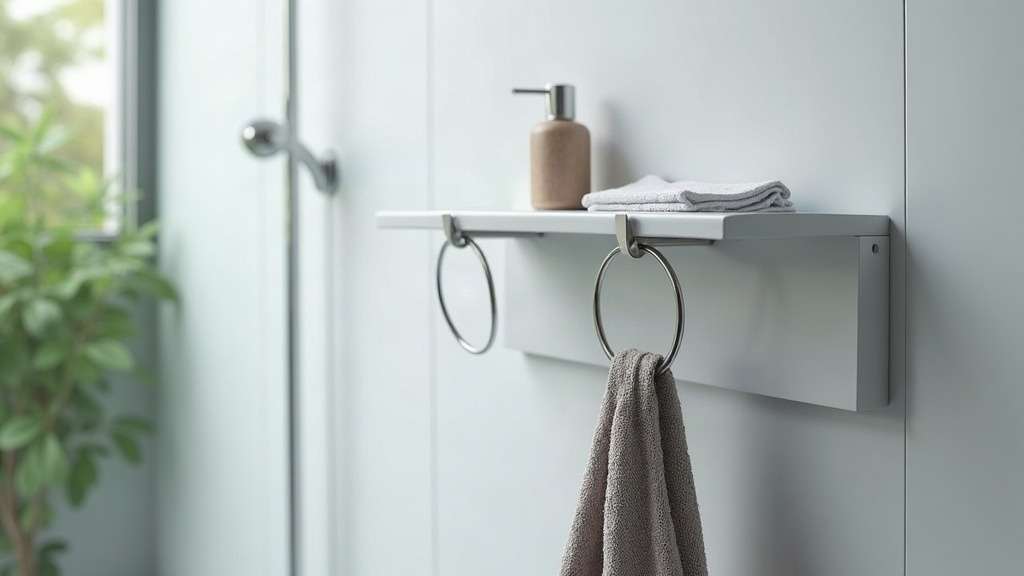
If you’re printing shower caddy hooks, PETG beats PLA, hands down, for steamy, humid bathrooms. PLA starts softening at just 55-60°C (131-140°F), and a hot shower’s steam can hit that range without much effort. The result? Hooks that warp, sag, or snap right when you’re loading them up. PETG shrugs off heat up to 70-80°C, barely absorbs moisture, and keeps its strength through months of condensation cycles.
Why Bathroom Environments Are Brutal on Plastic
A shower caddy hook isn’t just holding a loofah. It’s living in one of the harshest micro-environments in your entire house.
- Heat spikes: Hot showers push the air right around the hook well above normal room temperature, and in a small bathroom with a weak exhaust fan, that spike lingers.
- Constant humidity: Steam lands directly on surfaces, your printed part included, day after day, shower after shower.
- Standing water contact: Hooks sit flush against wet shampoo bottles and dripping soap dishes more often than not.
- Sustained load: This isn’t a one-off stress test. A caddy hook carries weight around the clock, so any softening from heat just keeps compounding.
Heat, moisture, and nonstop mechanical stress, all at once. That’s precisely the combo PLA can’t handle well, and where PETG does its best work.
PLA: Cheap and Easy, But Risky in Steam
PLA earns its spot as the go-to beginner filament for good reason. It’s cheap, it prints clean with barely any warping, and you don’t need a heated enclosure to get decent results. But drop it into a bathroom and its weak spots show fast.
- Low glass transition temperature: Standard PLA starts deforming around 55-60°C. A hot shower can genuinely push the surrounding air close to that number, especially in a small space.
- Moisture sensitivity during printing: PLA filament soaks up ambient humidity before it even reaches your nozzle, which weakens layer adhesion and makes parts brittle. Kind of ironic, considering you’re printing something meant to live in a humid room.
- Creep under sustained load: Even without full-on melting, repeated heat cycles cause slow, permanent bending (creep), and that’s worse if the hook is holding something heavy like a full shampoo bottle.
Bottom line: a PLA hook might hang on for a few weeks. After that, expect it to start drooping, especially if you’re taking hot showers daily.
PETG: Built for Heat and Moisture
PETG (polyethylene terephthalate glycol) feels almost purpose-built for this exact job.
- Higher heat resistance: PETG holds its shape up to roughly 70-80°C, leaving a solid safety margin above what typical shower steam throws at it.
- Excellent moisture resistance: PETG is naturally more water-resistant than PLA, which is why it’s used for food containers and liquid bottles. Condensation just doesn’t touch it.
- Better impact and flex strength: PETG bends a little under stress instead of snapping outright, so if someone bumps the hook reaching for the conditioner, it flexes instead of cracking.
- UV and chemical resistance: Bathrooms tend to have bleach sprays and cleaning chemicals floating around nearby. PETG tolerates that exposure far better than PLA, which tends to discolor or degrade.
Printing Considerations
Switching from PLA to PETG for this project? A few things change.
- Higher nozzle temp: PETG typically needs 230-250°C, compared to PLA’s 190-220°C.
- Reduced cooling: PETG actually prints stronger with less aggressive part cooling than PLA.
- Stringing tendency: PETG strings more easily. Tune your retraction settings before committing to the final hooks.
- Bed adhesion: PETG can stick too hard to glass beds. A glue stick or a PEI sheet saves you from damaging the part (or the bed) on removal.
What About PETG-CF or ABS?
For bathrooms that push things further, think steam showers or spaces near a sauna, there are upgrades worth considering.
- PETG-CF (carbon fiber): Adds extra stiffness and cuts down on sagging even more, good for hooks carrying heavier loads.
- ABS: Handles heat better than PETG on paper, but it warps badly without a heated enclosure and puts off fumes while printing. For most home bathrooms, that’s more trouble than it’s worth.
For roughly 95% of home users, plain PETG lands right in the sweet spot between cost, ease of printing, and real-world durability.
Final Verdict
If your shower caddy hooks face daily steam and humidity, go with PETG over PLA, no real debate here. PLA can limp along in a well-ventilated bathroom with lukewarm showers, sure, but it’s a gamble that usually ends with warped, drooping hooks within a few weeks. PETG costs just a bit more, needs minor tweaks to your print settings, and actually delivers the heat tolerance, moisture resistance, and mechanical toughness your bathroom demands day in and day out.