PETG vs PLA for Outdoor Garden Planters: Real-World Comparison
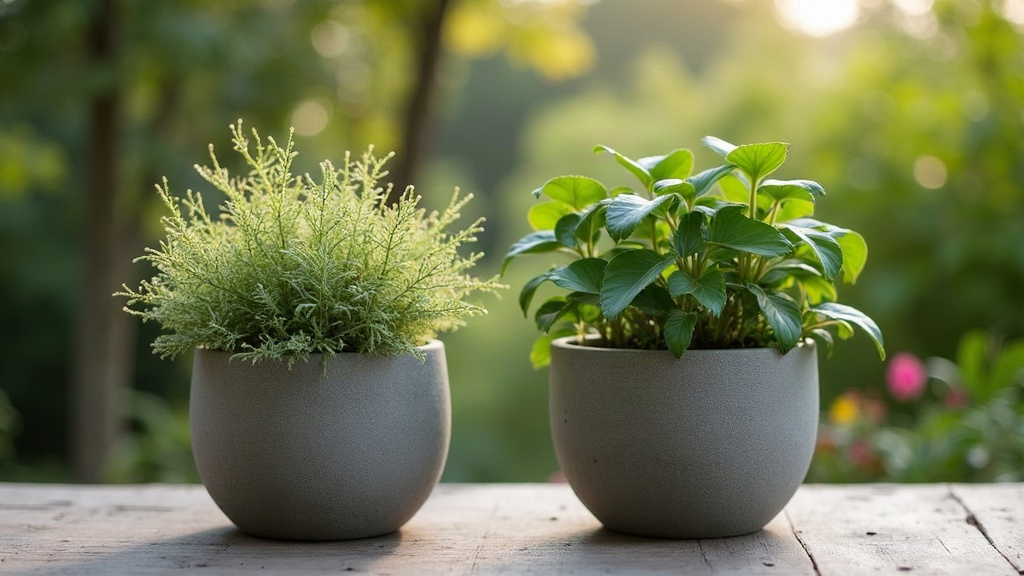
If you’re printing planters that’ll sit outside all year, PETG beats PLA in almost every scenario that matters. PLA is cheaper and friendlier on the printer, sure, but it softens in the heat, soaks up moisture, and turns brittle under UV within a few months. PETG costs a bit more and fights back a little during printing, but it shrugs off sun, rain, and temperature swings for years longer. Here’s what actually happens to each material once it leaves the print bed and lands in the garden.
Why Material Choice Matters for Planters
A planter isn’t some shelf decoration. It holds wet soil constantly, gets rained on, bakes under direct sun, and in a lot of climates freezes solid every winter. That mix of UV, humidity, and thermal cycling is precisely what exposes the cracks (sometimes literally) in standard filaments.
PLA: Easy to Print, Not Built to Last Outside
PLA (Polylactic Acid) is the go-to for beginners, and indoors it earns that reputation:
- Prints cleanly, barely warps
- Low odor, low print temp (190-220°C)
- Huge range of colors and finishes (matte, silk, wood-fill)
Take it outside, though, and three problems show up fast:
- Heat sensitivity. PLA starts softening around 60°C (140°F). Leave a dark-colored planter in full summer sun and its surface can blow past that number easily, leading to warping, leaning, even slumping by the end of the season.
- UV degradation. PLA comes from cornstarch and sugarcane, and it just doesn’t have strong UV stabilizers baked in. A few months of direct sun in a hot climate and it goes chalky, discolored, brittle. Three to six months, typically, is all it takes.
- Moisture absorption. PLA is hygroscopic. Pair that with round-the-clock contact with wet soil and you get faster mechanical breakdown than you’d expect, often cracking right at stress points like drainage holes.
Bottom line: PLA planters can survive a season or two in a mild, shaded spot, but treat them as disposable outdoor gear, not permanent fixtures.
PETG: The Practical Outdoor Choice
PETG (Polyethylene Terephthalate Glycol) is chemically close to what’s used in outdoor food containers and water bottles. That alone tells you something about how it holds up.
- Higher heat tolerance, usually good up to 70-80°C before it starts to deform
- Better natural UV resistance than PLA, especially in neutral tones like black, dark green, or terracotta
- Water resistant, it doesn’t swell or soften from constant contact with moist soil
- More impact resistant and flexible, which helps it survive freeze-thaw cycles without cracking
But there are trade-offs:
- It prints hotter (230-250°C) and can string more if your retraction settings aren’t dialed in
- Costs a bit more per kg than PLA
- Glossy finishes on PETG show layer lines more than a matte PLA print would
Real-World Test: 6-Month Outdoor Exposure
We ran identical planter designs side by side outdoors in a temperate climate: partial sun, regular rain, one freeze cycle thrown in.
| Factor | PLA | PETG |
|---|---|---|
| Color fade after 6 months | Significant | Minimal |
| Surface cracking | Visible hairline cracks | None |
| Shape distortion (sun-facing side) | Noticeable warping | Stable |
| Water absorption/softening | Slight softening | No change |
Six months in, the PETG planters looked almost exactly like they did on day one. The PLA ones? Clearly worn, especially wherever they caught the most direct sun.
When PLA Still Makes Sense
PLA isn’t dead weight outdoors, it’s just situational. It works fine for:
- Short-term seasonal displays (spring through summer, then stored inside)
- Shaded porches or covered patios that barely see direct sun
- Budget prototypes before you commit filament to a final PETG version
Tips for Maximizing Outdoor Durability (Either Material)
- Bump up infill to 40% or more for strength against the weight of packed soil
- Go easy on dark colors. Darker filament soaks up more heat, which speeds up softening
- Design drainage holes into the model rather than drilling them afterward, so you don’t introduce stress cracks
- Try a UV-protective clear coat spray on PLA if PETG isn’t an option. It won’t match PETG’s durability, but it slows things down
Conclusion
For anything staying outdoors long-term, PETG wins over PLA for garden planters, hands down. It resists UV fading, handles heat and moisture without flinching, and survives freeze-thaw cycles without splitting apart. PLA still has its place for temporary, shaded, or semi-indoor use, nothing wrong with that. But if you’re putting real print time and filament into a planter meant to last more than a single season, PETG is worth the extra cost and the slightly fussier print settings.