How to Recycle Failed PLA Prints at Home Without a Filament Extruder
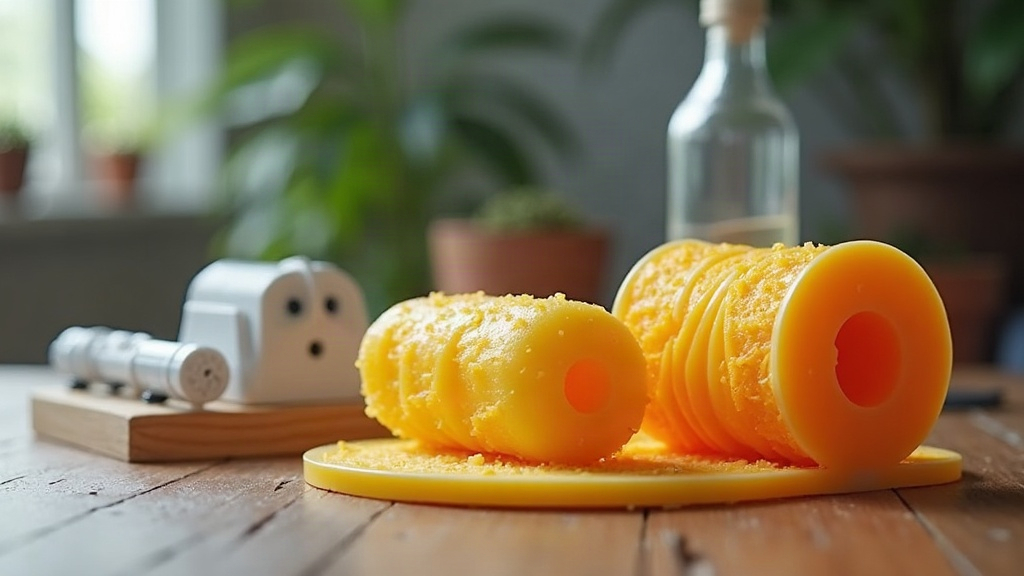
If you print a lot, you already know the drill: a drawer (or a shoebox, or an entire shelf) full of failed PLA prints, stringy supports, and first layers that just didn’t take. Here’s the upside though: you don’t need a filament extruder to make that pile useful again. Below are practical, low-cost ways to recycle failed PLA prints at home, from melting and molding to grinding for other projects, plus a quick rundown of what actually works versus what’s just marketing noise.
Why You Don’t Need an Extruder
Desktop filament extruders (Filastruder, Felfil Evo, that kind of thing) are the “textbook correct” way to turn scrap back into usable filament. But they run $300 to $600 or more, they’re fussy to dial in, and honestly, they’re overkill if you’re just trying to clear out a box of failed prints. Most hobbyists aren’t chasing perfect 1.75mm filament anyway. The real goal is simpler: keep the plastic out of the landfill and squeeze some use out of it before it’s gone for good.
Method 1: Melt and Mold PLA Into New Objects
PLA melts around 150-160°C (glass transition sits near 60°C), low enough that you can work with tools already sitting in your kitchen or garage.
- Oven method: Preheat an oven, or that toaster oven you banished from food duty years ago, to 180-200°C. Pack cleaned PLA scraps into a silicone mold. Silicone ice cube trays and soap molds work especially well since PLA won’t stick to them. Bake 10-15 minutes until fully melted, then let it cool slowly so it doesn’t warp on you.
- Heat gun method: For smaller batches, point a heat gun at PLA pieces sitting in a metal or silicone container until they soften and fuse. This works nicely for small functional blobs, cable clips, paperweights, that sort of thing.
- Hot press method: Sandwich scraps between two sheets of baking parchment, then press with a heat gun or hot press (even a hair straightener does the job for thin sheets). You’ll end up with flat PLA sheets you can cut into shapes.
One safety note worth repeating: always melt PLA somewhere well-ventilated. It’s far less toxic than ABS when heated, sure, but it still gives off fumes you don’t want to breathe directly, especially if you let it scorch.
Method 2: Grind It Down for Other Uses
A cheap manual or electric grinder (or a blender you’ve officially retired from food use) can chop failed prints into small flakes. No, you can’t feed these into a standard FDM printer without an extruder. But ground PLA still earns its keep:
- Mixed into resin casting for texture and color
- Used as weighted or textured filler in epoxy art
- Packed into molds for the melt method above (smaller pieces melt faster and more evenly than a whole print would)
Method 3: Mechanical Reuse Without Melting
Sometimes the easiest recycling job involves zero processing at all.
- Cut and repurpose: Failed prints with solid infill can be cut on a rotary tool into washers, spacers, or shims.
- Combine parts: Supports and rafts often come out flat and fairly uniform, which makes them perfect for gluing into small stands, jigs, or workshop organizers. Cyanoacrylate (super glue) bonds PLA well.
- Sand it into stock material: Thick failed prints can be sanded flat and used like scrap “lumber” for small craft projects.
Method 4: Local Recycling Partnerships
Not into melting plastic indoors? Check whether your city accepts PLA in curbside recycling first (spoiler: most don’t, since PLA only composts in industrial facilities, not regular recycling streams). A couple of better routes:
- Search “PLA take-back programs”. Brands like Polymaker and a handful of filament resellers run mail-in recycling.
- Local makerspaces often keep a shared filament extruder or a community recycling bin going. Worth a phone call before you buy your own hardware.
What Doesn’t Work Well
- Home composting: PLA only breaks down in industrial facilities running at 140°F or hotter, sustained. Your backyard compost bin isn’t getting there, not in any timeframe you’d call reasonable.
- Mixing PLA colors and expecting clean results: Melt a batch of mixed colors and you’ll get marbled, muddy output. Great for an art piece, lousy if you needed a specific shade.
- Reprinting ground PLA directly: Without an extruder, flakes stay flakes, they don’t turn back into printable filament on their own. And don’t fall for a cheap “PLA pellet printer” promising FDM-quality results. Desktop printers just aren’t built to work that way.
Quick Decision Guide
| Goal | Best Method |
|---|---|
| Make small decorative objects | Oven + silicone mold |
| Reduce bulk waste quickly | Mechanical reuse (cut/glue) |
| Add texture to resin projects | Grind into flakes |
| Responsible disposal, zero effort | Mail-in take-back program |
Conclusion
You don’t need a $400 extruder to stop tossing every failed PLA print straight in the bin. An oven, a silicone mold, and a little patience get you new objects out of old scrap. A rotary tool and some super glue turn solid prints into shims, spacers, or organizer parts. And if none of that appeals, a take-back program handles disposal for you. The win here isn’t flawless recycled filament. It’s simply breaking the habit of trashing every failed print and giving at least some of your plastic waste one more useful life.